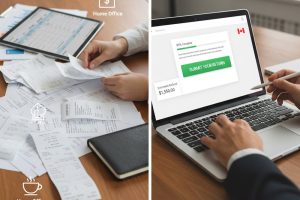
Running a small business in Canada comes with its share of excitement—and financial responsibilities. Among them, small business bookkeeping stands as one of the most critical yet often overlooked tasks. Whether you’re a solopreneur or managing a small team, poor financial organization can lead to penalties, cash flow issues, or even business failure.
Fortunately, mastering bookkeeping doesn’t require a background in finance. With the right practices and tools, Canadian entrepreneurs can stay compliant, plan for growth, and make informed decisions with ease.
In this post, we’ll break down essential small business bookkeeping tips tailored for Canadians, helping you take control of your numbers and streamline your financial records management.
1. Understand the Basics of Small Business Bookkeeping
Before you dive into software and spreadsheets, it’s important to understand what small business bookkeeping actually involves. At its core, bookkeeping is the process of recording and organizing your business’s financial transactions. This includes:
-
Tracking income and expenses
-
Issuing and managing invoices
-
Reconciling bank statements
-
Handling payroll and tax deductions
-
Managing HST/GST filings
While bookkeeping overlaps with accounting, bookkeeping is more about daily data entry and record keeping, whereas accounting includes interpreting financial data and strategic planning.
If you’re operating in Canada, ensure your practices align with local standards, such as bookkeeping Canada regulations governed by the CRA (Canada Revenue Agency).
2. Separate Personal and Business Finances
One of the most common mistakes entrepreneurs make is mixing personal and business finances. This creates a nightmare come tax season and makes it hard to assess your business’s true performance.
What to do:
-
Open a dedicated business bank account
-
Get a separate business credit card
-
Use bookkeeping software that supports multi-account tracking
Maintaining this separation not only simplifies financial records management but also provides legal protection for incorporated businesses.
3. Choose the Right Bookkeeping Method
In bookkeeping Canada, small businesses typically choose between two accounting methods:
-
Cash basis: Income is recorded when money is received, and expenses when they are paid.
-
Accrual basis: Income is recorded when earned, and expenses when incurred—even if no cash has changed hands.
Cash basis is simpler and often suitable for small businesses, but accrual gives a more accurate picture of long-term financial health. Depending on your revenue size and industry, the CRA may require you to use accrual accounting.
Choose the method that best aligns with your reporting needs and ensure consistency throughout the fiscal year.
4. Use Cloud-Based Bookkeeping Software
Gone are the days of handwritten ledgers. Modern bookkeeping software can automate many tasks, helping you stay accurate and up to date.
Top tools in Canada include:
-
QuickBooks Online
-
Wave (free option for freelancers)
-
Xero
-
FreshBooks
These platforms support Canadian tax codes, generate reports automatically, and offer mobile apps for on-the-go access. For growing businesses, these tools integrate with payroll, inventory, and payment systems for complete financial records management.
5. Track Every Expense—No Matter How Small
It may seem tedious to log every coffee or parking fee, but those little costs add up—and many are tax-deductible.
Keep digital copies of receipts and categorize every expense. This allows you to:
-
Maximize deductions
-
Justify claims during CRA audits
-
Gain insights into spending trends
Apps like Dext or Expensify can streamline this process by scanning receipts and syncing them with your bookkeeping software.
6. Reconcile Bank and Credit Card Statements Monthly
Reconciliation ensures that your bookkeeping records match actual bank and credit card statements. Skipping this step can lead to undetected fraud, missed transactions, or inaccurate financial statements.
Best practice: Reconcile all accounts monthly. This habit keeps your books clean and helps identify issues early—before they snowball.
If you’re outsourcing, make sure your bookkeeper does this regularly and provides a monthly reconciliation report.
7. Stay On Top of Tax Obligations
Tax compliance is a key aspect of bookkeeping in Canada. Whether you’re charging GST/HST or deducting payroll taxes, failing to meet deadlines can result in serious penalties.
Key responsibilities include:
-
Filing GST/HST (usually quarterly or annually)
-
Keeping all supporting documents for 6 years (as per CRA)
-
Paying income and self-employment taxes on time
Using accounting software with built-in accounting tips can help calculate and file taxes accurately. If unsure, consult a tax professional familiar with Canadian small business laws.
8. Schedule Weekly Bookkeeping Time
Bookkeeping is not a once-a-year task. Waiting until tax season to organize your books leads to errors and stress. Instead, treat it as a regular part of your business operations.
Dedicate 1–2 hours per week to:
-
Update expense and income entries
-
Reconcile transactions
-
Send invoices and follow up on payments
By keeping up with your small business bookkeeping weekly, you reduce end-of-year pressure and gain real-time financial clarity.
9. Learn to Read Basic Financial Reports
Even if you hire a bookkeeper or accountant, understanding key financial reports is essential for making informed decisions.
Focus on:
-
Profit and Loss Statement (P&L): Shows revenue and expenses over time
-
Balance Sheet: Lists assets, liabilities, and equity
-
Cash Flow Statement: Highlights how money moves in and out of your business
These documents offer invaluable insights into profitability, solvency, and sustainability—vital knowledge for every Canadian entrepreneur.
10. Know When to Outsource
While DIY bookkeeping is cost-effective in the beginning, growing businesses often benefit from professional help. Outsourcing your small business bookkeeping ensures accuracy and gives you more time to focus on scaling.
When to consider outsourcing:
-
If you’re spending more than 5 hours/week on bookkeeping
-
If you’ve received CRA audit letters
-
If you struggle to understand financial reports
Freelancers, virtual assistants, or full-service firms are all options. Costs vary based on complexity and services, but many Canadian entrepreneurs find the investment worthwhile.
Summary Checklist: Bookkeeping Best Practices
| Task | Frequency |
|---|---|
| Separate personal/business finances | One-time setup |
| Reconcile accounts | Monthly |
| Track income & expenses | Weekly |
| Review financial reports | Monthly |
| File GST/HST & income taxes | Quarterly/Annually |
| Backup digital records | Weekly/Monthly |
| Consult with a bookkeeper/accountant | As needed |
Final Thoughts
Strong small business bookkeeping is the backbone of successful entrepreneurship. In Canada, staying compliant with CRA rules, using the right tools, and maintaining accurate financial records management are not just good practices—they’re essential.
With consistent habits and informed decisions, you’ll be in a strong position to grow your business, reduce tax liability, and achieve your financial goals. Whether you manage your books yourself or hire a pro, these accounting tips will help you stay one step ahead.
Take charge of your finances today and set your small business up for long-term success.
FAQ’s
Q1. What bookkeeping method is best for small businesses?
A: Cash-based accounting is often simpler and ideal for small businesses, though accrual accounting provides better long-term accuracy and may be required by CRA depending on your structure.
Q2. How much does bookkeeping cost in Canada?
A: Costs vary widely. DIY software starts around $20/month, while professional bookkeeping services range from $300 to $1,200+ monthly, depending on transaction volume and service level.